Quick Answer: Structured Pre-Production Turns Custom Ideas Into Smooth Load-Ins
A custom LED installation is the right route whenever venue dimensions, scenic carpentry, or brand geometry go beyond a single catalog item. Breaking the work into clear stages—brief, visualization, technology matching, off-site preparation, and on-site setup—keeps creative ambition aligned with real load-in windows.
At Led Art, custom projects move systematically from initial concept and visualization inside the intended space through technology selection, pre-prep, and on-site installation.
Custom LED Displays & Solutions at Led ArtRelated Guide: Using AI Visualizations in Early PlanningSteps 1 & 2: Translating the Brief Into Spatial Proportions
Start with the installation's role rather than a raw meter count: will guests walk beneath it, photograph it from two meters away, or view it across a 50-meter arena?
Creating a visual preview over a venue photo or stage elevation lets designers, producers, and clients align on scale and placement before hardware prep begins—while final structural and electrical details are verified separately.
Step 3: Matching LED Technology to the Desired Visual Language
Catalog examples of LED families frequently combined in custom builds at Led Art:
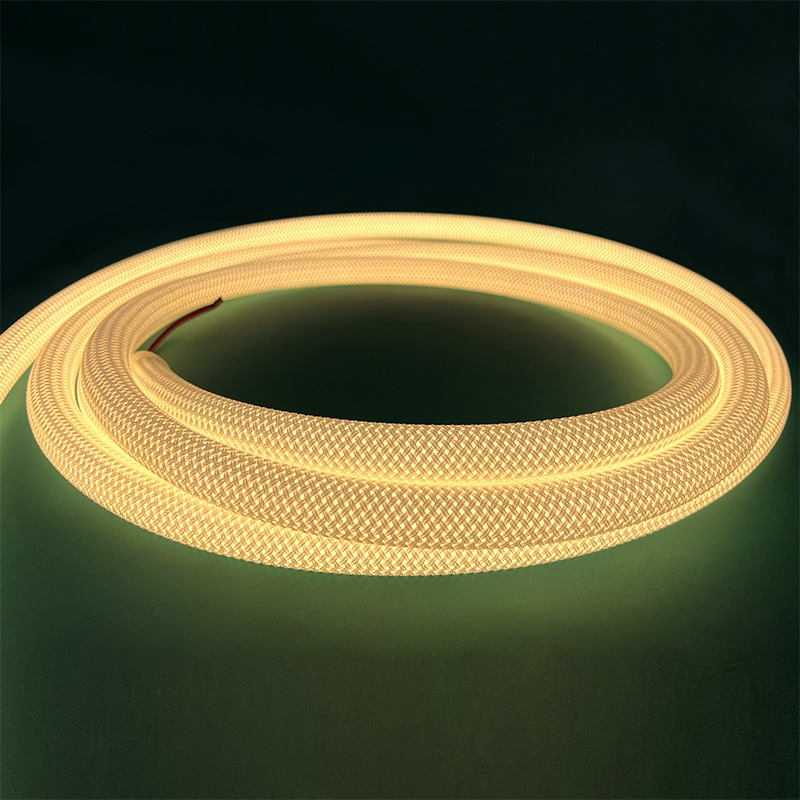
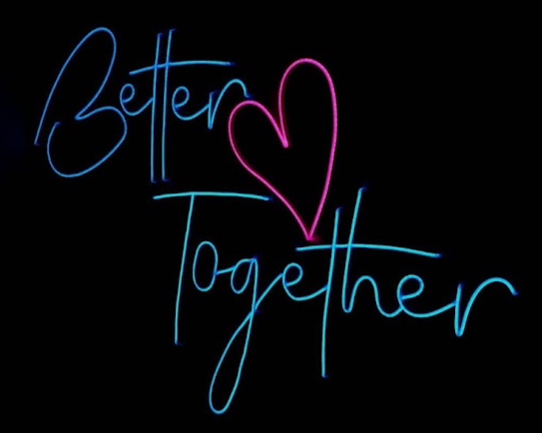
- Digital Flex Neon (such as 270° or 360° profiles): suited for organic curves, arches, and continuous luminous lines.
- Digital LED tubes and strips: suited for crisp architectural edges, geometric grids, and scenic contours.
- Volumetric 3D pixel grids and optic fibers: suited for floating depth and multi-layered spatial volume.
- Modular support frames and truss rings: used when walls or ceiling points aren't available.
Steps 4 & 5: Pre-Prep and Coordinated On-Site Setup
Example scenario: when a conference atrium opens for load-in only late the night before doors open, pre-assembling and labeling modular sections in advance shortens on-site wiring time dramatically.
Prior to setup day, coordinate loading dock hours, work-at-height or structural sign-offs where required, power distribution locations, and testing time.
What to Prepare for Your Initial Consultation
Gather venue photos or drawings, approximate width/height/viewing distance, mood references, target date, and whether the build is temporary or permanent.
Browse Selected Projects in the Gallery